Apple iPhone wholesale
Apple iPhone
21 models · 1306 SKUs in live inventory · refreshed every 30 min
Voltaxion's Hong Kong wholesale desk carries Apple iPhone for verified B2B buyers worldwide — including iPhone 13, iPhone 13 Pro, iPhone 13 Pro Max, iPhone 13 mini and more. Live USD pricing, real stock, MOQ 50 pcs total per order, delivery from Hong Kong via DHL Express. Prices lock for 24 hours at quote time.
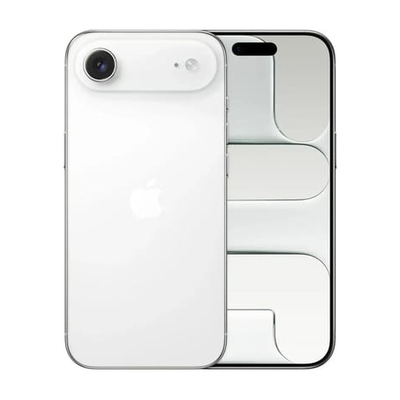
iPhone Air
Cloud White
From $756.00
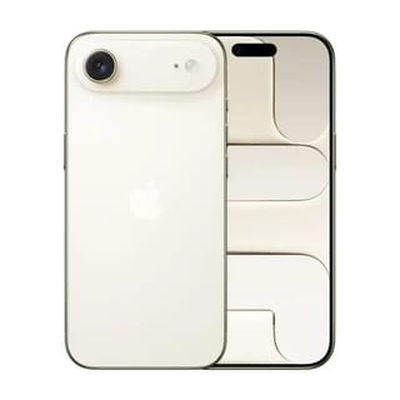
iPhone Air
Light Gold
From $756.00
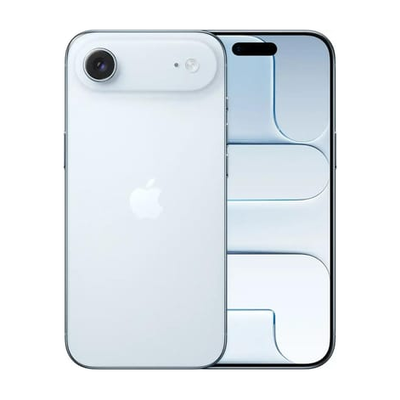
iPhone Air
Sky Blue
From $756.00
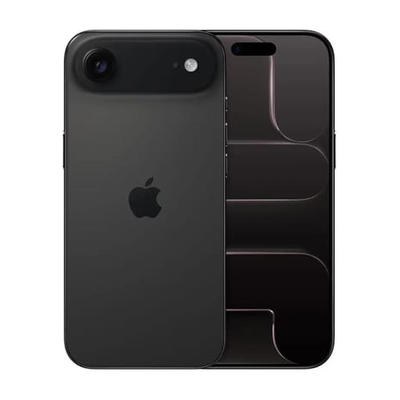
iPhone Air
Space Black
From $711.90
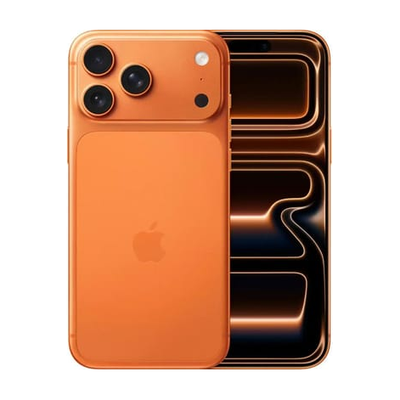
iPhone 17 Pro Max
Cosmic Orange
From $1226.40
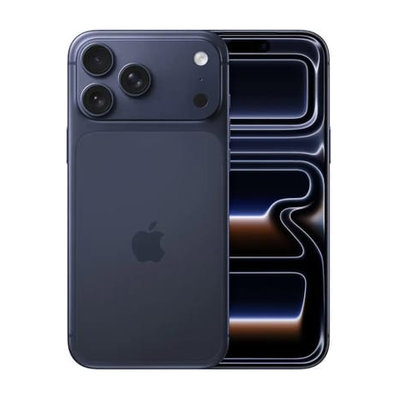
iPhone 17 Pro Max
Deep Blue
From $1221.15
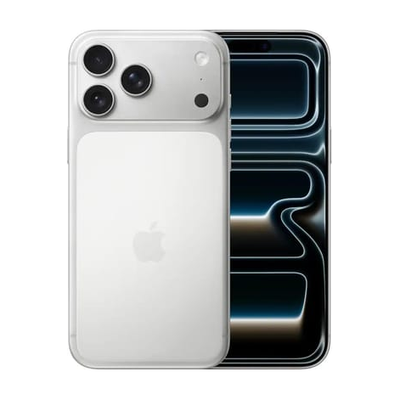
iPhone 17 Pro Max
Silver
From $1226.40
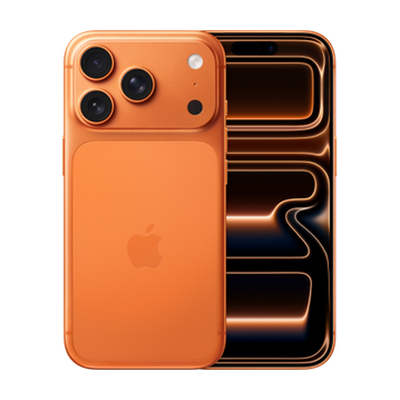
iPhone 17 Pro
Cosmic Orange
From $1023.75
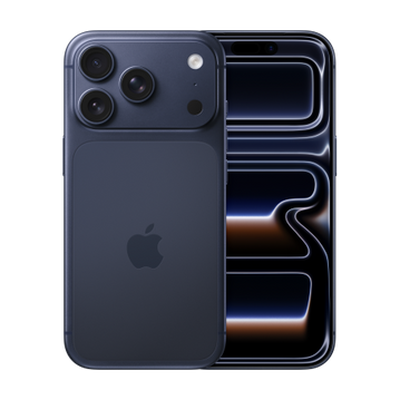
iPhone 17 Pro
Deep Blue
From $1023.75
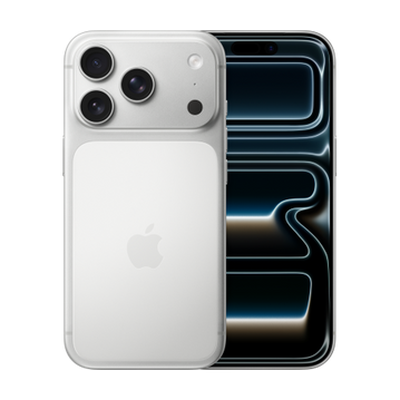
iPhone 17 Pro
Silver
From $1023.75
iPhone 17
Black
From $770.70
iPhone 17
Lavender
From $764.40
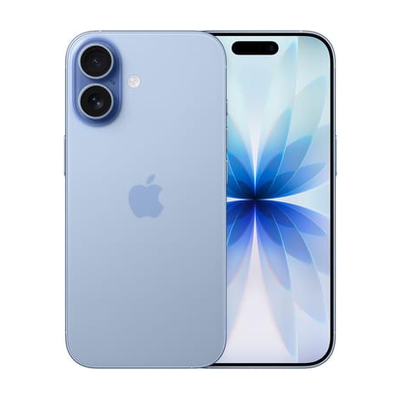
iPhone 17
Mist Blue
From $770.70
iPhone 17
Sage
From $770.70
iPhone 17
White
From $764.40
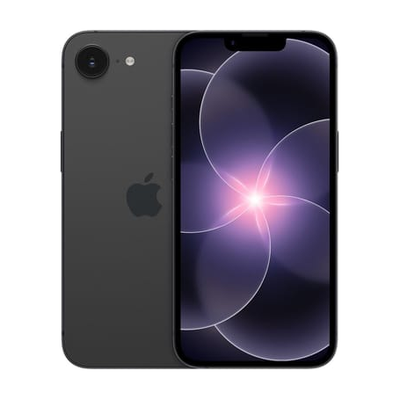
iPhone 17e
Black
From $774.90
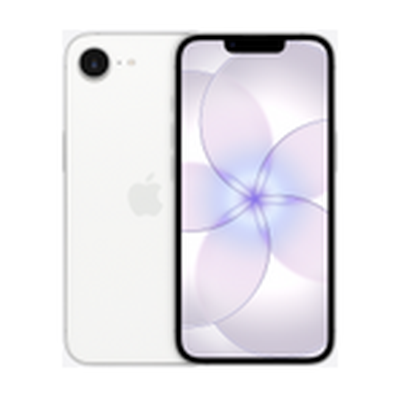
iPhone 17e
White
From $630.00
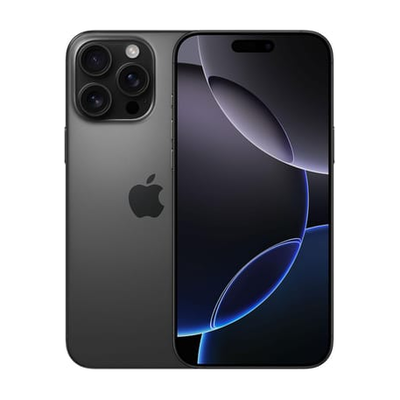
iPhone 16 Pro Max
Black Titanium
From $871.50
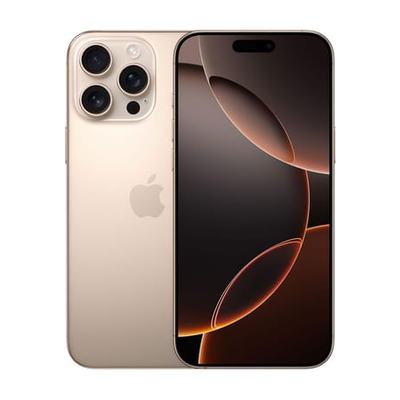
iPhone 16 Pro Max
Desert Titanium
From $845.25
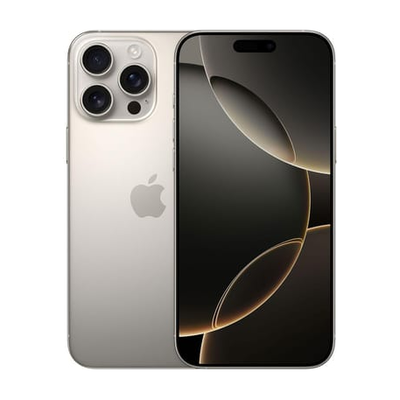
iPhone 16 Pro Max
Natural Titanium
From $845.25
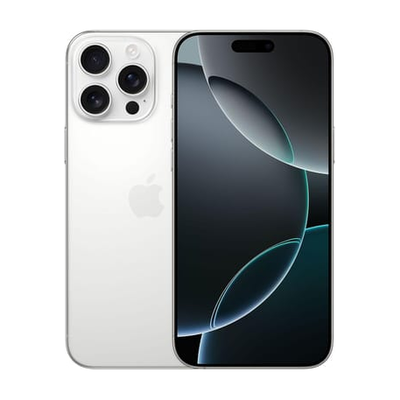
iPhone 16 Pro Max
White Titanium
From $871.50
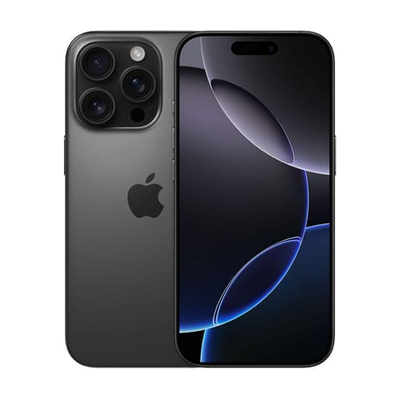
iPhone 16 Pro
Black Titanium
From $794.52
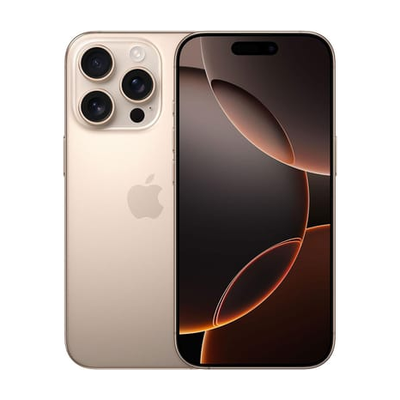
iPhone 16 Pro
Desert Titanium
From $850.50
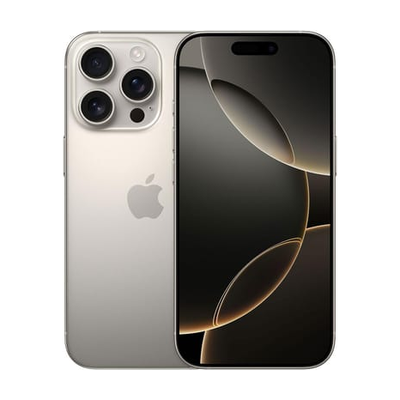
iPhone 16 Pro
Natural Titanium
From $794.52
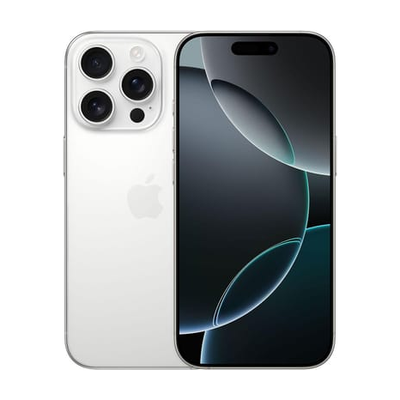
iPhone 16 Pro
White Titanium
From $884.14
iPhone 16
Black
From $516.31
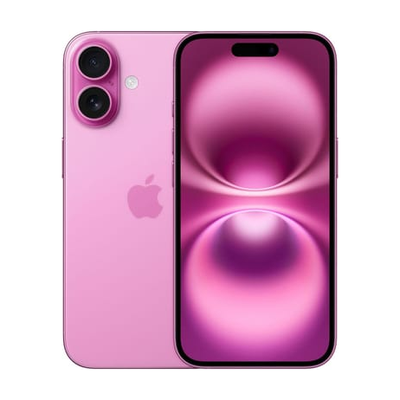
iPhone 16
Pink
From $516.31
iPhone 16e
Black
From $497.70
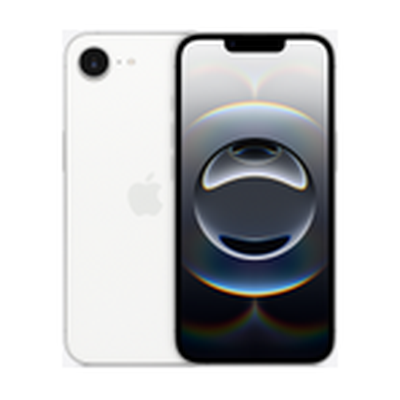
iPhone 16e
White
From $497.70
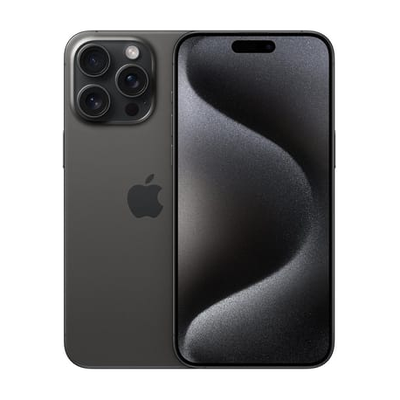
iPhone 15 Pro Max
Black Titanium
From $656.25
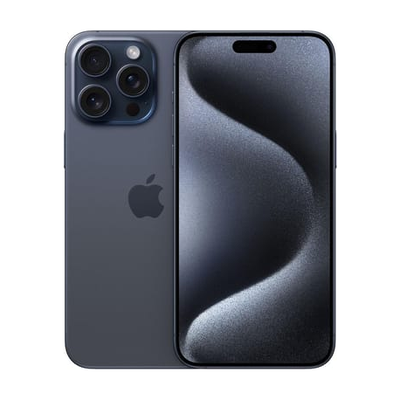
iPhone 15 Pro Max
Blue Titanium
From $682.50
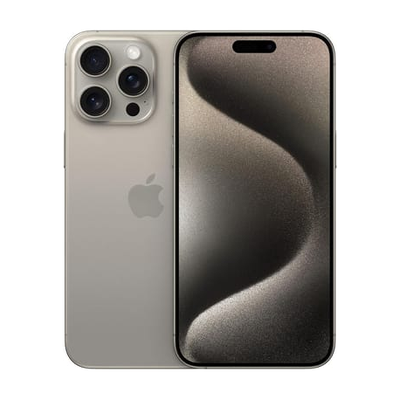
iPhone 15 Pro Max
Natural Titanium
From $656.25
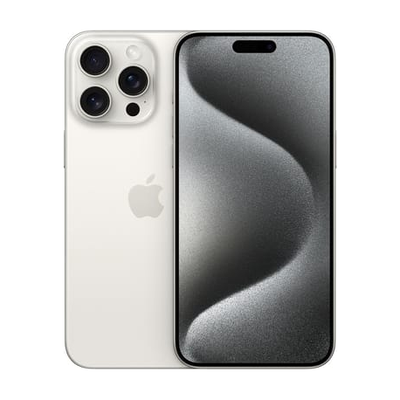
iPhone 15 Pro Max
White Titanium
From $656.25
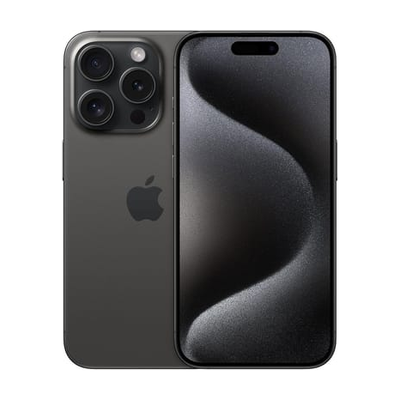
iPhone 15 Pro
Black Titanium
From $593.25
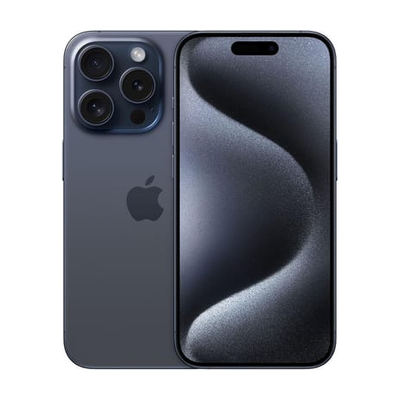
iPhone 15 Pro
Blue Titanium
From $593.25
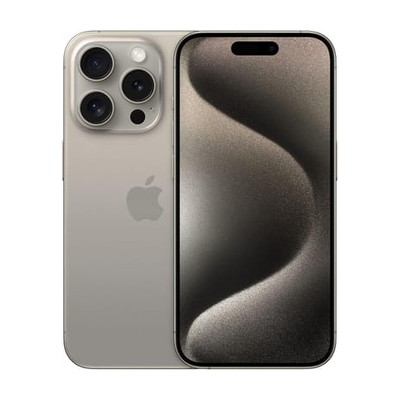
iPhone 15 Pro
Natural Titanium
From $593.25
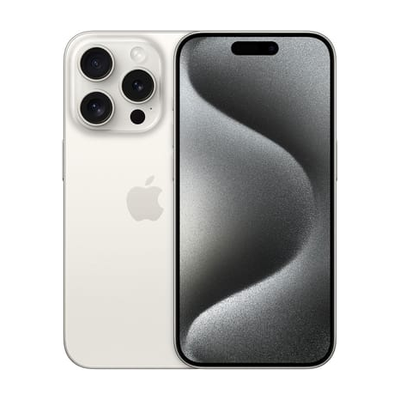
iPhone 15 Pro
White Titanium
From $593.25
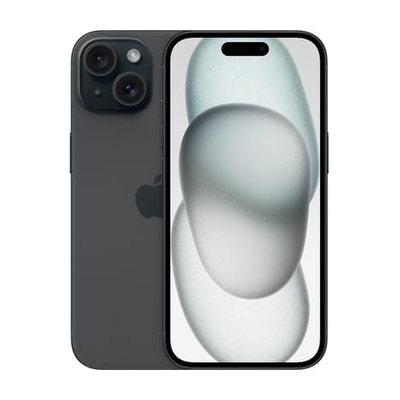
iPhone 15
Black
From $427.35
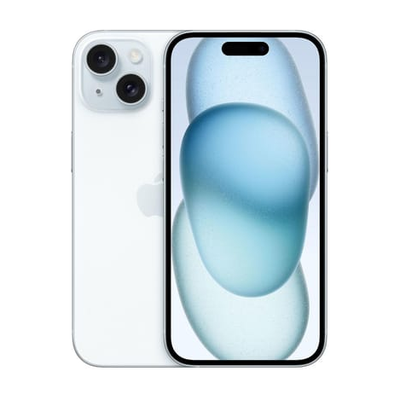
iPhone 15
Blue
From $427.35
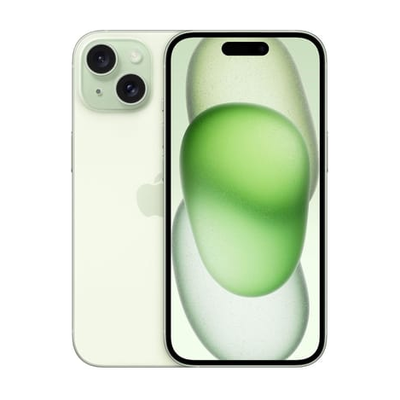
iPhone 15
Green
From $427.35
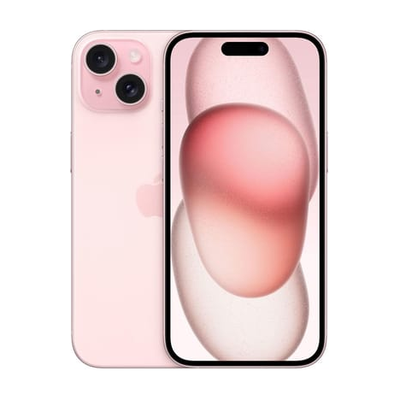
iPhone 15
Pink
From $427.35
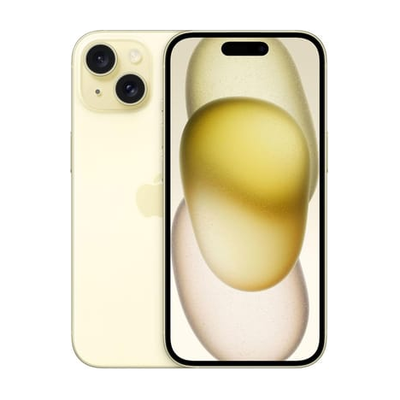
iPhone 15
Yellow
From $427.35
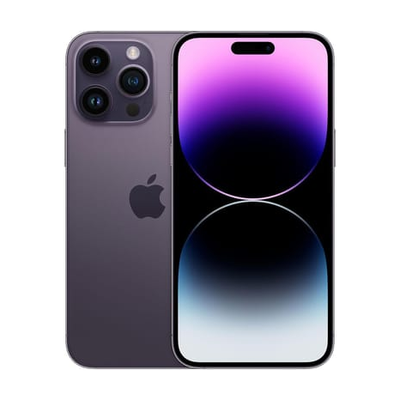
iPhone 14 Pro Max
Deep Purple
From $714.27
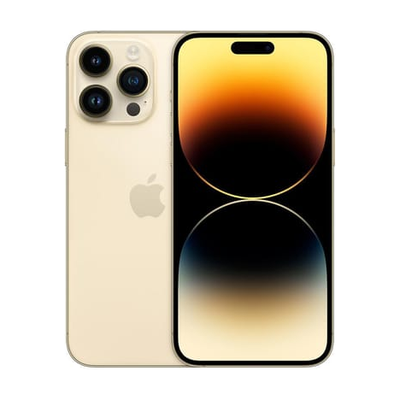
iPhone 14 Pro Max
Gold
From $659.40
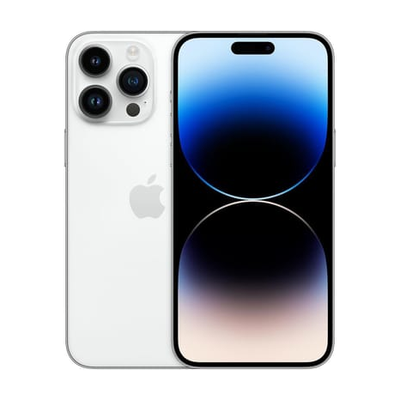
iPhone 14 Pro Max
Silver
From $708.75
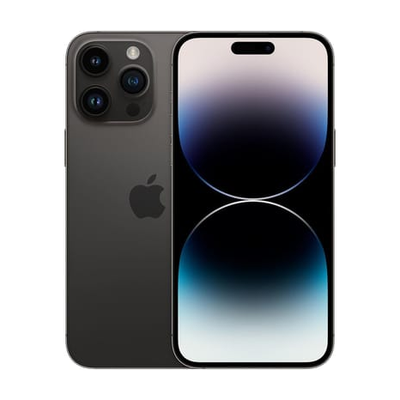
iPhone 14 Pro Max
Space Black
From $714.27
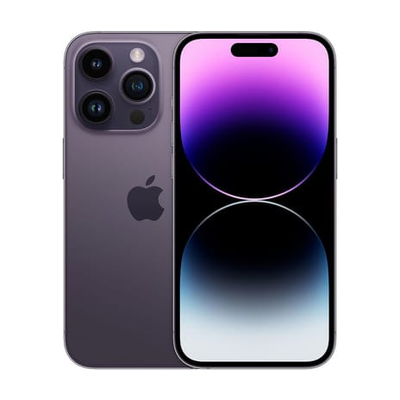
iPhone 14 Pro
Deep Purple
From $612.15
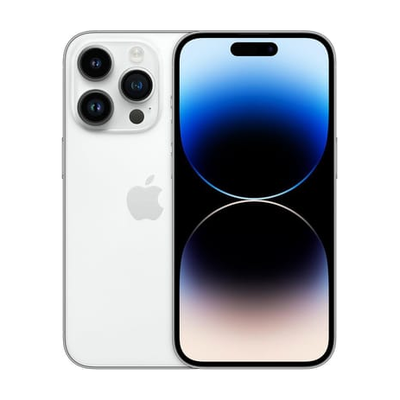
iPhone 14 Pro
Silver
From $612.15
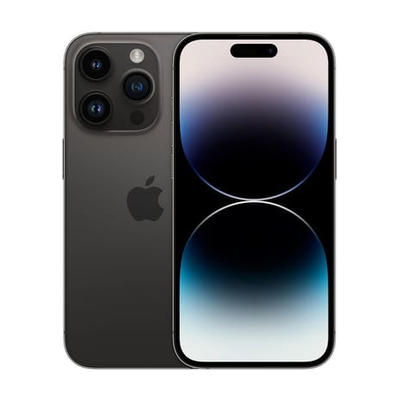
iPhone 14 Pro
Space Black
From $612.15
iPhone 14 Plus
Blue
From $536.37
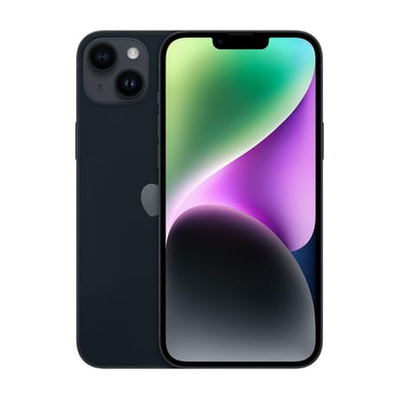
iPhone 14 Plus
Midnight
From $536.37
iPhone 14 Plus
Purple
From $536.37
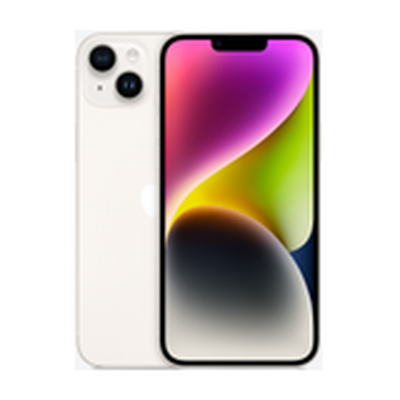
iPhone 14 Plus
Starlight
From $536.37
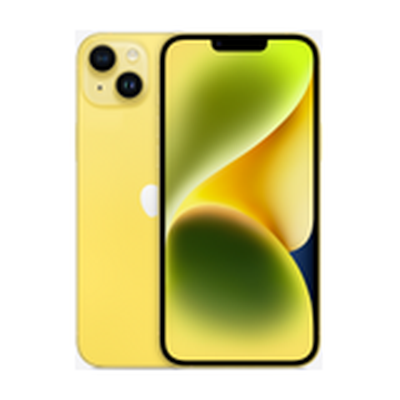
iPhone 14 Plus
Yellow
From $536.37
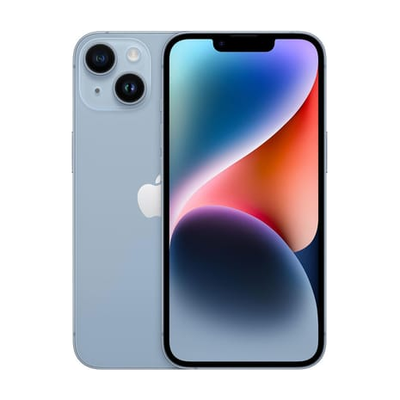
iPhone 14
Blue
From $353.85
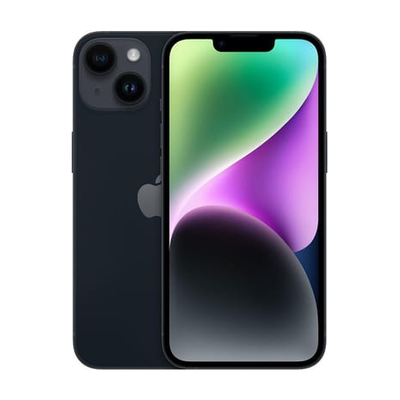
iPhone 14
Midnight
From $353.85
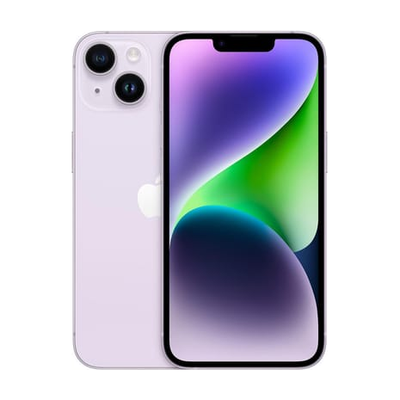
iPhone 14
Purple
From $353.85
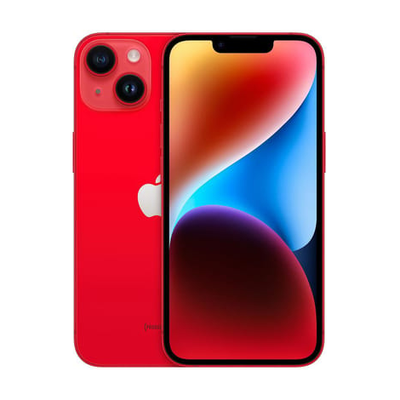
iPhone 14
Red
From $353.85
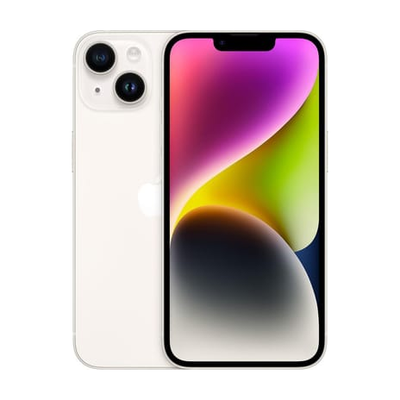
iPhone 14
Starlight
From $353.85
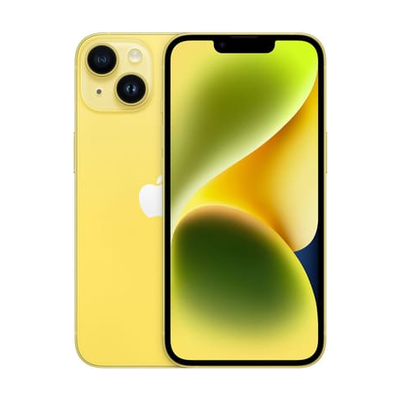
iPhone 14
Yellow
From $353.85
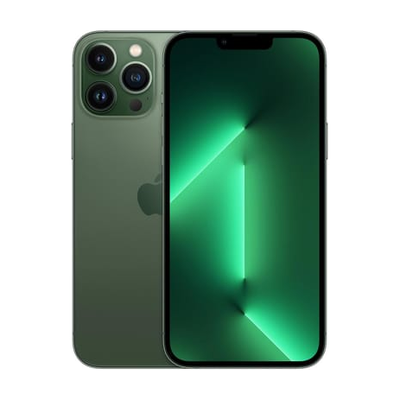
iPhone 13 Pro Max
Alpine Green
From $436.05
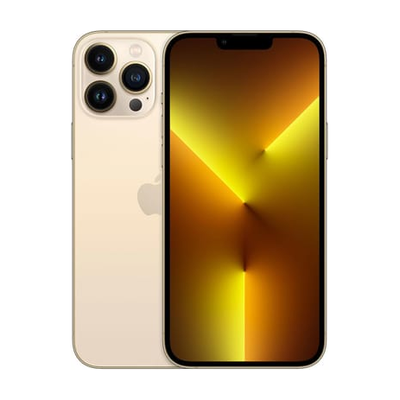
iPhone 13 Pro Max
Gold
From $436.05
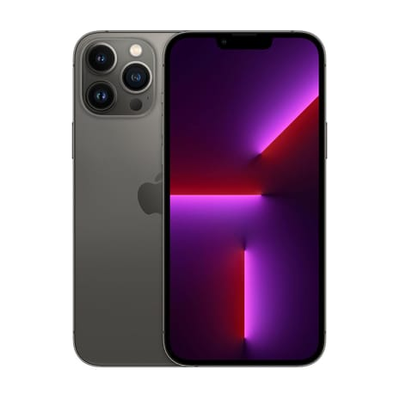
iPhone 13 Pro Max
Graphite
From $500.25
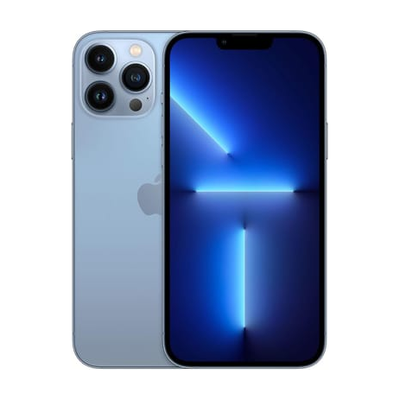
iPhone 13 Pro Max
Sierra Blue
From $436.05
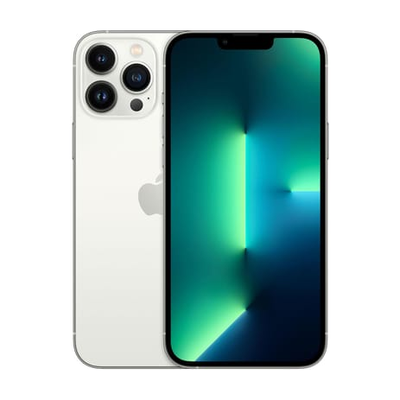
iPhone 13 Pro Max
Silver
From $500.25
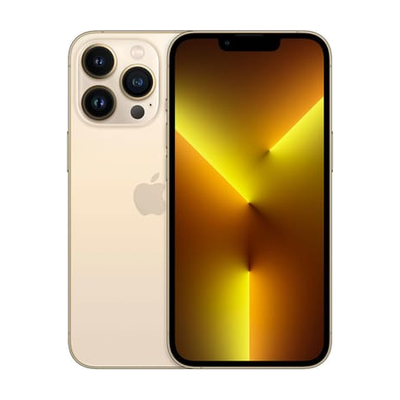
iPhone 13 Pro
Gold
From $519.75
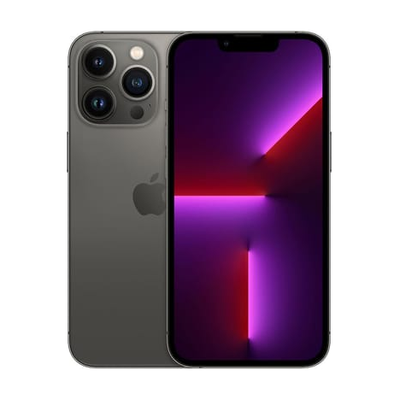
iPhone 13 Pro
Graphite
From $498.75
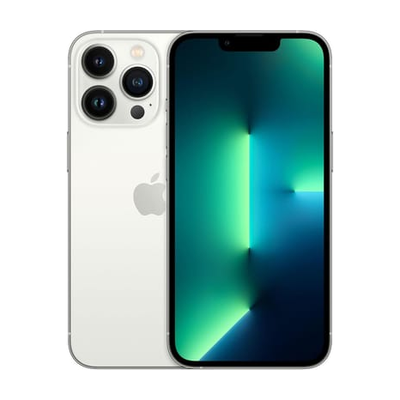
iPhone 13 Pro
Silver
From $519.75
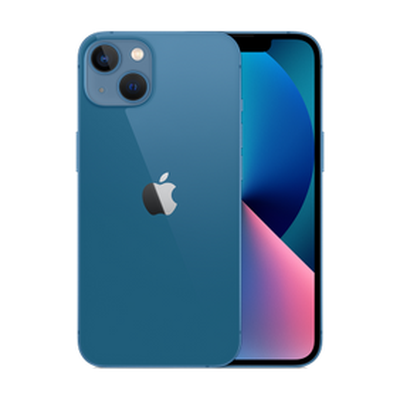
iPhone 13
Blue
From $303.45
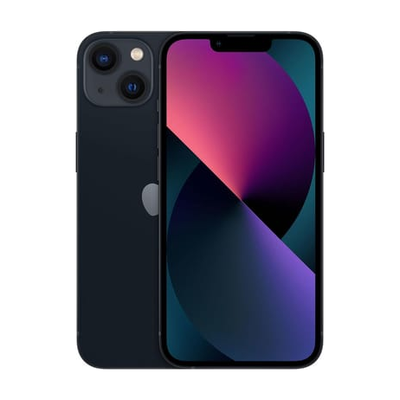
iPhone 13
Green
From $303.45
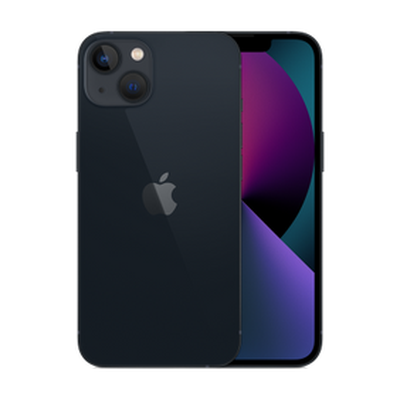
iPhone 13
Midnight
From $303.45
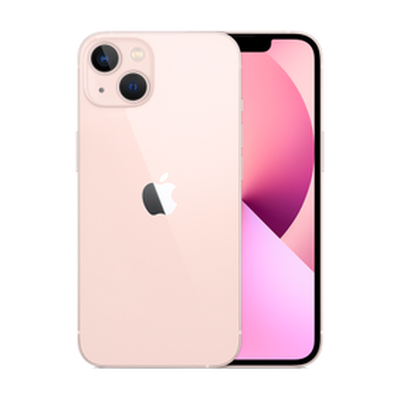
iPhone 13
Pink
From $303.45
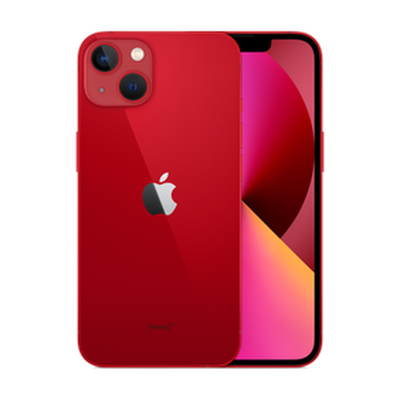
iPhone 13
Red
From $303.45
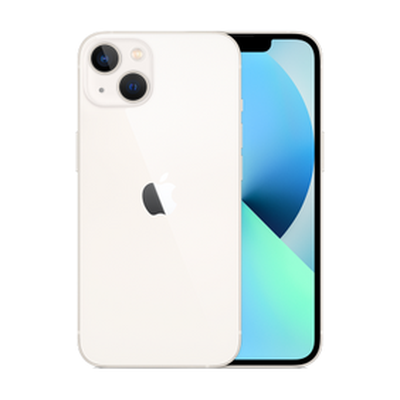
iPhone 13
Starlight
From $303.45
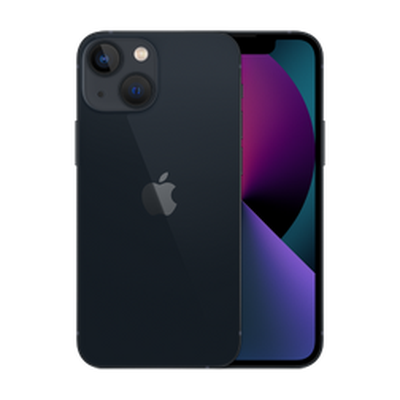
iPhone 13 mini
Midnight
From $357.00
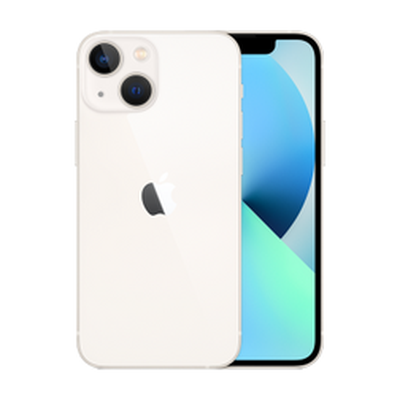
iPhone 13 mini
Starlight
From $357.00
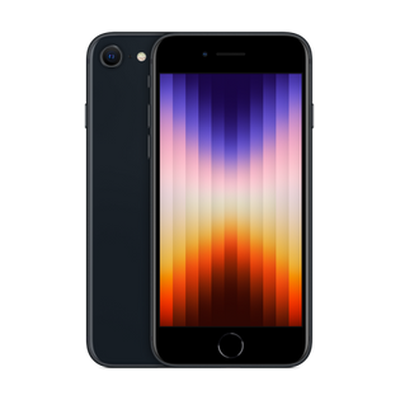
iPhone SE3
Midnight
From $243.60
Choosing iPhone generations for your market
iPhone 12 through 17 Pro Max is not one product line — commercially it behaves like three. Treat each band as a separate business with its own turn rate, margin profile and buyer.
The value workhorses (12 and 13). These generations sit at the price point where a very large retail base in Africa, Latin America, South Asia and much of Eastern Europe can pay cash for an iPhone. The repair ecosystem is mature, parts are cheap and plentiful, and both models remain inside Apple's iOS support window — which is what keeps end-buyer confidence high years after launch. Per-unit margin is thinner than on recent flagships, but demand is predictable and stock turns fast. Most emerging-market resellers should anchor their volume here.
The mid-cycle bridge (14 and 15). The 14 trades close to the 13 in end-buyer perception, which makes it a marketplace refurb staple rather than a headline model. The 15 matters for a different reason: it is the first USB-C generation, and in the EU — where common-charger rules and buyer expectations have made USB-C the default — that single port change now splits demand between the 15-and-up band and everything before it.
The flagship band (16 and 17, especially Pro and Pro Max). This is where EU and GCC retail margin lives, and also where depreciation runs fastest. Recent flagships lose value quickest in their first year on the market, so the discipline is the opposite of the value band: buy against committed or near-committed demand, turn stock quickly, and avoid speculative holding. GCC retail in particular skews hard towards Pro Max in high storage.
| Generation band | Primary demand | Condition tiers that move | Storage sweet spot |
|---|---|---|---|
| iPhone 12 / 13 | Emerging-market retail, trade counters, repair-shop resale | Refurbished Grade AB, Grade B, Asis+ | 64–128 GB |
| iPhone 14 / 15 | Marketplace refurb, EU mid-range retail (15 = USB-C entry point) | Refurbished Grade A / AB, CPO | 128–256 GB |
| iPhone 16 / 17 (incl. Pro Max) | EU and GCC premium retail, corporate procurement | Brand new (sealed), CPO | 256–512 GB |
Model numbers, SIM configuration and where a unit can actually sell
Two units of the "same" iPhone are not interchangeable stock. Every iPhone carries a regional model identifier — the A-number — which fixes its cellular band support, SIM hardware and occasionally regional firmware behaviour. Experienced buyers specify the A-number region on the purchase order, not just "iPhone 15 128GB".
The distinctions that move money:
- US models are eSIM-only from the iPhone 14 onwards. No physical SIM tray at all. Fine for North American resale and increasingly workable in Western Europe, but a genuinely hard sell in markets where physical dual SIM is the norm and carrier eSIM provisioning is weak — which still describes much of Africa, South Asia and parts of Latin America. An eSIM-only lot allocated to the wrong region is dead stock.
- Mainland China variants carry dual physical SIM slots. In dual-SIM-first markets these command a premium over single-tray international models, because the end buyer sees the feature immediately.
- Regional firmware quirks exist — non-mutable camera shutter sounds on some Asian-market units, feature restrictions tied to certain regions. Minor to you; not minor to your retail customer.
The practical rule: know which regional variant you are buying before you quote your own customers, and match SIM configuration to the destination market's carrier reality. Our wholesale iPhone buying guide covers how to specify this on an order.
Building a condition-tier mix, not a single-tier bet
Buying one condition tier across the board is the most common structural mistake new resellers make. Each channel you sell into has a natural tier, and a healthy portfolio maps stock to channel deliberately:
- Brand new (sealed) — formal retail shelf, corporate procurement, any channel where the buyer expects a full manufacturer warranty from day one.
- CPO — boxed stock with Apple's own warranty behind it: the credibility of new at a used-adjacent cost base. Strong for retail that wants warranty cover without flagship pricing.
- Refurbished Grade A and AB — the marketplace tiers. Online marketplaces enforce consistent cosmetic standards, and graded refurb is what passes their bar repeatably.
- Grade B and Asis+ — value channels: open markets, trade counters, repair-shop resale, where the buyer inspects in hand and price wins.
- Asis — repair and parts channels; buy it as input material, not as retail stock.
The tier definitions and what each one guarantees cosmetically and functionally are set out in our grading guide; warranty cover per tier — including the 48-hour DOA window from proof of delivery — is on the warranty policy page.
Sealed vs Activated: the first-activation economics
Within new stock, sealed and activated are different products. Apple's warranty clock starts at first activation, so a sealed unit carries its full warranty term intact, while an activated-but-unused unit may already have months burned off. Formal retail and corporate buyers typically require sealed stock with a full warranty term; open-market channels rarely care. That gap is the trade: activated stock prices below sealed, which is an opportunity if your channel ignores the warranty start date — and a trap if it does not. Always confirm activation status per lot before allocating it to a channel, and check remaining warranty by serial number on arrival.
Storage tiers and composing a first order
Storage demand follows the generation bands. Base storage dominates price-driven markets: 64 GB still clears on the iPhone 12 in the most price-sensitive regions, and 128 GB is the default across the value band. 256 GB is the safe middle everywhere and has become the retail norm on the 15-through-17 band as camera file sizes grow. 512 GB and 1 TB are thin, real demand — largely GCC and Pro Max buyers — and slow to turn anywhere else, so buy high-storage against orders, not on speculation.
Because our MOQ is 5 pieces per SKU with a 50-piece order minimum and mixed SKUs allowed, a first order can test all of this at once: a spread across two generations, three condition tiers and two storage points in a single shipment, priced in USD with a 24-hour quote lock. Landed-cost certainty matters as much as unit cost — DDP shipping from our Hong Kong hub puts duties and import VAT into one known number before you commit. Verified buyers see live pricing after KYC onboarding.
Frequently asked questions
Which iPhone generations sell best in emerging markets versus Europe and the GCC?
iPhone 12 and 13 remain the volume workhorses for emerging-market resellers: they hit a cash-affordable retail price, have a mature repair ecosystem, and still sit inside Apple's iOS support window. The 15 through 17 band, especially Pro and Pro Max models, drives EU and GCC retail, where USB-C and recent-flagship status command the margin. Most balanced portfolios anchor volume in the older band and take margin on the newer one against committed demand.
Are eSIM-only US iPhone models harder to resell?
It depends entirely on the destination market. US models from the iPhone 14 onwards have no physical SIM tray, which is fine for North America and increasingly workable in Western Europe, but a hard sell where physical dual SIM is the norm and carrier eSIM support is weak, such as much of Africa, South Asia and parts of Latin America. Always match the regional model variant to the market you intend to sell into before ordering.
What is the difference between a Sealed and an Activated iPhone in wholesale?
A sealed unit has never been activated, so Apple's warranty clock has not started and the full term is intact. An activated unit may be physically new but has already burned months off its warranty, which is why it trades at a discount. Activated stock suits open-market channels where warranty start date does not matter; formal retail and corporate buyers generally require sealed units, so confirm activation status per lot before allocating stock.
Can I mix different iPhone models, conditions and storage tiers in one order?
Yes. The minimum is 5 pieces per SKU and 50 pieces per order, with mixed SKUs allowed, so a single first shipment can span multiple generations, condition tiers and storage capacities. That structure is designed for testing what actually turns in your channels before committing to volume on any single line.