Apple iPad wholesale
Apple iPad
17 models · 151 SKUs in live inventory · refreshed every 30 min
Voltaxion's Hong Kong wholesale desk carries Apple iPad for verified B2B buyers worldwide — including iPad 11(2025)A16, iPad Air 5 10.9-inch(2022)M1, iPad Air 7 11-inch(2025)M3, iPad Air 7 13-inch(2025)M3 and more. Live USD pricing, real stock, MOQ 50 pcs total per order, delivery from Hong Kong via DHL Express. Prices lock for 24 hours at quote time.

iPad Air 8 11-inch(2026)M4
Blue
From $682.17

iPad Air 8 11-inch(2026)M4
Purple
From $682.17

iPad Air 8 11-inch(2026)M4
Space Gray
From $682.17

iPad Air 8 11-inch(2026)M4
Starlight
From $682.17

iPad Air 8 13-inch(2026)M4
Blue
From $888.15

iPad Air 8 13-inch(2026)M4
Space Gray
From $888.15
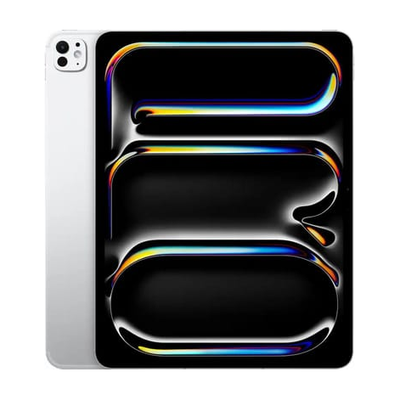
iPad Pro 13-inch Gen 8(2025)M5
Silver
From $1106.70
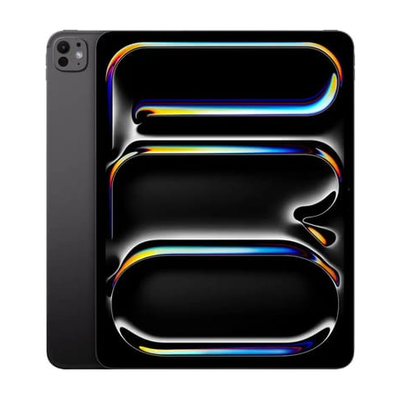
iPad Pro 13-inch Gen 8(2025)M5
Space Black
From $1106.70
iPad Pro 13-inch Gen 8(2025)M5 Nano
Space Black
From $1690.70

iPad Air 7 11-inch(2025)M3
Blue
From $602.70

iPad Air 7 11-inch(2025)M3
Purple
From $602.70

iPad Air 7 11-inch(2025)M3
Space Gray
From $602.70

iPad Air 7 11-inch(2025)M3
Starlight
From $602.70

iPad Air 7 13-inch(2025)M3
Blue
From $741.30

iPad Air 7 13-inch(2025)M3
Purple
From $741.30

iPad Air 7 13-inch(2025)M3
Starlight
From $741.30
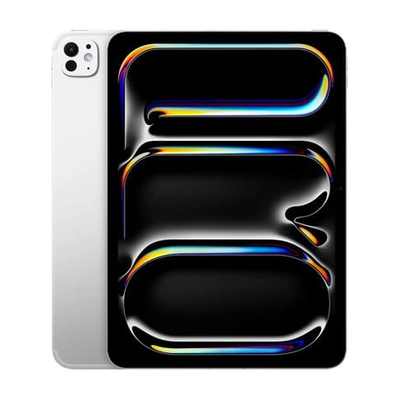
iPad Pro 11-inch Gen 6(2025)M5
Silver
From $978.60
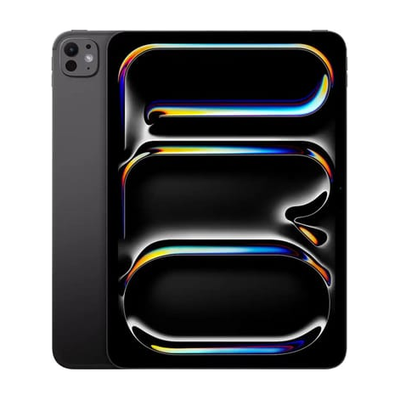
iPad Pro 11-inch Gen 6(2025)M5
Space Black
From $978.60
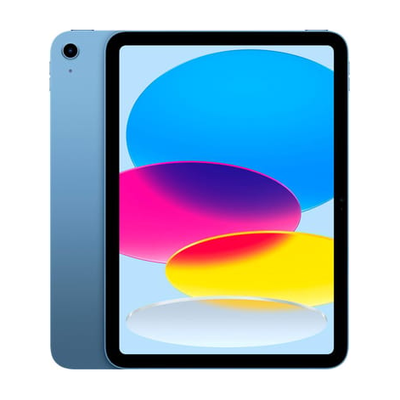
iPad 11(2025)A16
Blue
From $422.68
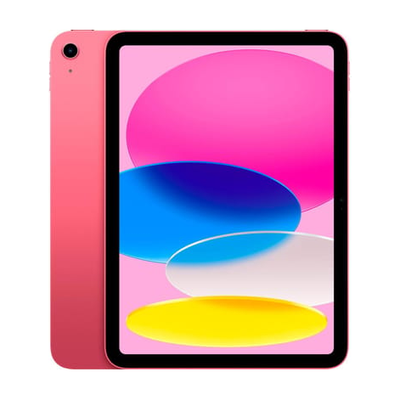
iPad 11(2025)A16
Pink
From $422.68
iPad 11(2025)A16
Silve
From $433.38
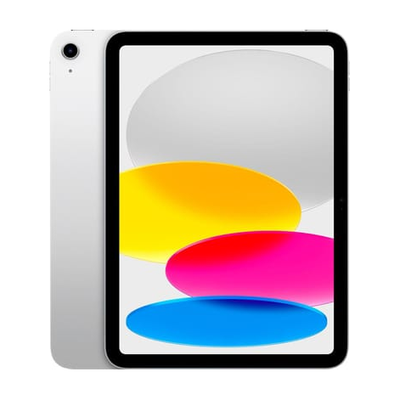
iPad 11(2025)A16
Silver
From $422.68
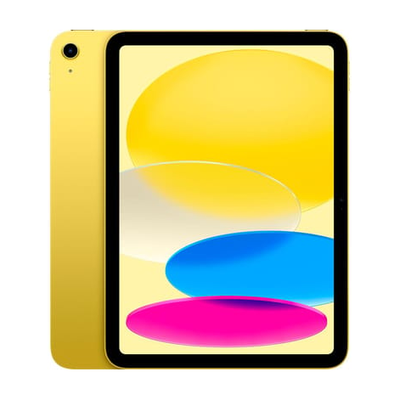
iPad 11(2025)A16
Yellow
From $422.68
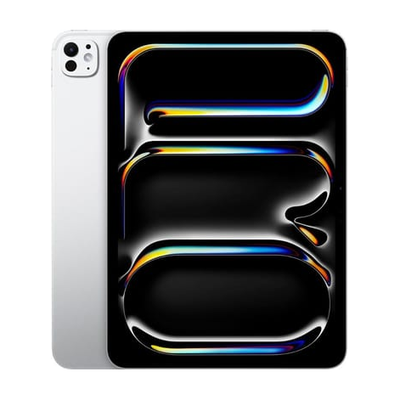
iPad Pro 13-inch Gen 7(2024)M4
Silver
From $983.12
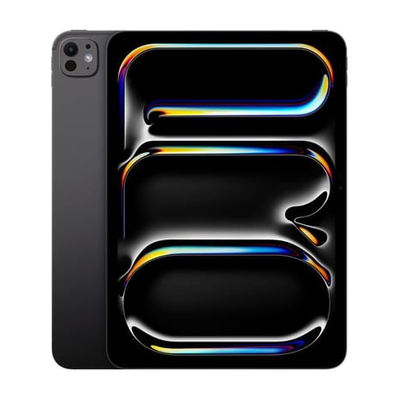
iPad Pro 13-inch Gen 7(2024)M4
Space Black
From $967.07
iPad Pro 11-inch Gen 5(2024)M4
Silver
From $926.94
iPad Pro 11-inch Gen 5(2024)M4
Space Black
From $926.94
iPad Pro 11-inch Gen 5(2024)M4 Nano
Silver
From $1051.05
iPad Pro 11-inch Gen 5(2024)M4 Nano
Space Black
From $1051.05
iPad mini 7(2024)A17 Pro
Blue
From $553.76
iPad mini 7(2024)A17 Pro
Purple
From $553.76
iPad mini 7(2024)A17 Pro
Space Gray
From $553.76
iPad mini 7(2024)A17 Pro
Starlight
From $553.76
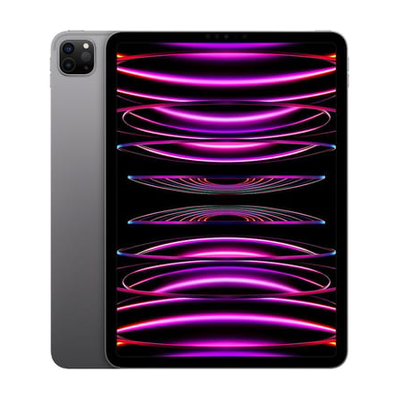
iPad Pro 12.9-inch Gen 6(2022)M2
Silver
From $671.46
iPad Pro 12.9-inch Gen 6(2022)M2
Space Gray
From $671.46
iPad Air 5 10.9-inch(2022)M1
Starlight
From $409.50
iPad Pro 11-inch Gen 4(2022)M2
Space Gray
From $807.90
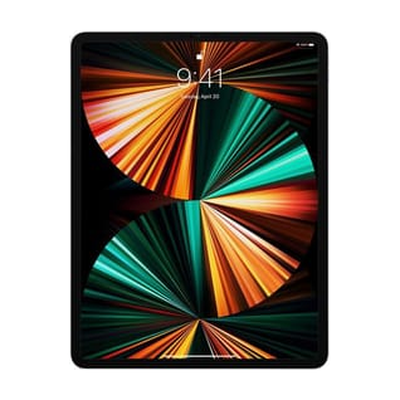
iPad Pro 12.9-inch Gen 5(2021)M1
Silver
From $631.34
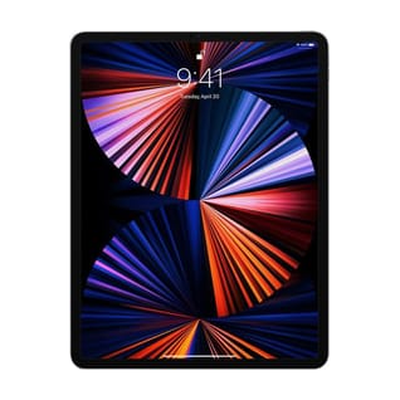
iPad Pro 12.9-inch Gen 5(2021)M1
Space Gray
From $631.34
iPad Pro 11-inch Gen 2(2020)
Silver
From $488.22
iPad Pro 11-inch Gen 2(2020)
Space Gray
From $445.41
Where wholesale iPads actually go
iPad is a different trade from iPhone. Handsets clear through thousands of small resellers; tablets clear through three fairly distinct channels, and the line you stock should follow the channel you sell into, not the other way round.
Education fleets
Schools, districts and education resellers buy in uniform lots: one model, one storage tier, one colour, Wi-Fi only. Their cosmetic tolerance is high — every unit goes straight into a rugged case — but their screen tolerance is low, because a scratched panel is the one defect a case cannot hide. Refurbished Grade AB and Grade B stock with clean panels is the workhorse here. One trap worth naming: a device still enrolled in a previous organisation's Automated Device Enrolment will re-enrol in that organisation's MDM after a wipe. Fleet buyers should confirm units have been released from any prior enrolment before deployment, not after.
Corporate deployment
Logistics, field service, retail point-of-sale, healthcare and hospitality deploy iPads as tools, and they pay for reliability: Brand new, CPO or Refurbished Grade A, often with the highest Cellular attach of any channel because the device leaves the building. iPad Air covers most corporate use; iPad Pro M4 earns its premium only where the workload genuinely needs it.
Consumer resale
Retailers, marketplace sellers and refurbishers take the widest mix. The Air is the volume sweet spot, the Pro M4 serves prosumers and creatives, and the mini is a small but persistent niche — pilots running electronic flight bags, restaurants, couriers, medical carts. Mini volume is thin, but so is competition for it.
| Line | Primary channel | Typical condition demand | Cellular attach | Role in an order |
|---|---|---|---|---|
| iPad Air | All three | Refurbished Grade A / AB, CPO | Low–medium | Volume anchor |
| iPad Pro M4 | Corporate, prosumer resale | Brand new, CPO, Grade A | Medium | Margin layer against confirmed demand |
| iPad mini | Vertical niches (aviation, POS, field work) | Grade A / AB | High | Small mixed lots, steady turn |
Wi-Fi vs Cellular: the economics nobody prices properly
Every iPad SKU exists twice, and the two versions do not behave the same way commercially. At retail, Cellular carries a substantial premium over Wi-Fi at the same storage tier. In the secondary and wholesale market that premium compresses — which means Cellular stock, bought right, can carry better margin than the equivalent Wi-Fi unit, but only in markets that actually want it.
Demand is sharply asymmetric by region. Mobile-first markets — much of the Gulf, Africa, South Asia and Latin America — prefer Cellular, because the tablet is often the household's primary connected screen. Western European and North American education and home buyers overwhelmingly take Wi-Fi, since the device lives on managed networks. Shipping Cellular lots into a Wi-Fi market, or the reverse, is one of the most common ways tablet stock goes stale. Note also that Cellular units carry a higher customs value, which matters on duty-paid lanes — see our DDP shipping guide for how declared value flows through to landed cost.
Two checks specific to Cellular iPads: regional model numbers differ in SIM configuration (some variants are eSIM-only, mainland China variants historically lack eSIM entirely), and although iPads are rarely carrier-locked the way phones are, Cellular units financed through carriers can still be blacklisted. Verify serial and network status on Cellular lots exactly as you would on iPhones.
Generation strategy: why iPads hold value, and where to position
iPads depreciate more slowly than phones, for structural reasons rather than sentiment. Replacement cycles are longer — a tablet is not tied to a two-year carrier upgrade rhythm. Apple supports iPadOS on old hardware for many years. There is no deep Android-tablet secondary market undercutting used iPad the way used Android phones undercut each other. And the usage pattern is gentler: tablets live on desks and in cases and keyboard folios, so surviving stock grades better. The practical consequence for a wholesaler: a two-generation-old iPad is still a fully sellable product, not a clearance item.
- iPad Pro M4 — buy against confirmed pro or corporate demand, not on spec. The OLED panel is a genuine step up and a genuine grading risk (more on that below). Earlier M-chip Pros remain entirely serviceable for corporate deployment at a much lower entry.
- iPad Air — the sweet spot and the correct anchor for most orders. Performance sits close enough to Pro for the majority of end users, it resells in every region, and it is the safest line to hold if a deal takes longer to clear than planned.
- iPad mini — never the anchor, always worth a line on the order. Vertical buyers replace minis on their own schedule and are unusually insensitive to generation.
With a 5-piece-per-SKU minimum and mixed lots allowed, you can hold the Air as your volume position and test Pro M4 and mini demand in the same order without committing real capital — the mechanics are covered in our low-MOQ buying guide.
Grading tablets: the screen is the price
Tablet grading uses the same tiers as phones — Brand new, CPO, Refurbished Grade A, AB, B, Asis+ and Asis, defined in full on our grading page — but the weighting shifts. On a phone, housing and screen share the cosmetic story. On a tablet, the panel dominates: it is the largest cost component, the first thing the end buyer sees, and at 11 or 13 inches a scratch that would pass unnoticed on a phone is unmissable. When you review tablet lots, read the grade primarily as a statement about the screen.
Panel checks differ by technology. LCD models (Air, mini) are prone to pressure marks, bright spots and backlight bleed. The Pro M4's OLED brings uniformity and image-retention checks into play instead. On all lines, verify chassis flatness — modern iPads are thin aluminium, a bent frame stresses the panel over time, and the mini and M4 Pro are the most exposed. Housing scuffs, by contrast, matter less than on phones, because so many tablets go straight into cases, keyboards or mounts. That is precisely why clean-screen Grade AB and Grade B lots are strong value for education buyers — the logic is unpacked in refurbished grading explained.
Pencil compatibility is a purchase driver
Accessory attach sells tablets, and Apple Pencil compatibility is generation-specific: the Pro M4 and current Air pair with Apple Pencil Pro and the USB-C Pencil but not the 2nd-generation Pencil, while older Airs and the previous mini pair with the 2nd generation. If your end buyers are students or creatives, confirm compatibility line by line before committing, and on used units test the magnetic pairing and charging strip on the side rail — a damaged rail quietly kills the accessory story. Cover terms are the standard ones: 48-hour DOA window from proof of delivery, 30 days on Grade A and AB, 14 on Grade B, detailed on the warranty page. Verified buyers see live USD pricing on every iPad SKU after KYC onboarding.
Frequently asked questions
Which iPad line should a wholesale buyer stock first?
The iPad Air, in most cases. It performs close enough to the Pro for the majority of end users, resells readily across education, corporate and consumer channels, and carries the least risk if stock turns slower than planned. Pro M4 and mini positions are best added against confirmed demand rather than on spec.
Should I buy Wi-Fi or Cellular iPads?
Match the destination market, not the spec sheet. Mobile-first regions such as the Gulf, Africa, South Asia and Latin America lean Cellular, while European and North American education and home buyers overwhelmingly take Wi-Fi. The wholesale price gap between the two is smaller than the retail gap, so Cellular can carry better margin where the demand genuinely exists.
Is iPad grading different from iPhone grading?
The condition tiers are the same, but the weighting shifts to the screen. On an 11 or 13 inch panel, scratches, pressure marks, backlight bleed or OLED uniformity issues dominate the unit's value, while housing wear matters less because most tablets are used in cases or keyboard folios. Read a tablet grade primarily as a statement about panel condition.
Do iPads carry carrier-lock or blacklist risk like iPhones?
Less, but not zero. Wi-Fi-only models have no network status at all, and Cellular iPads are rarely carrier-locked, but units financed through carriers can still be blacklisted. Cellular lots should have serial and network status verified before purchase, exactly as you would check IMEIs on a phone lot.